





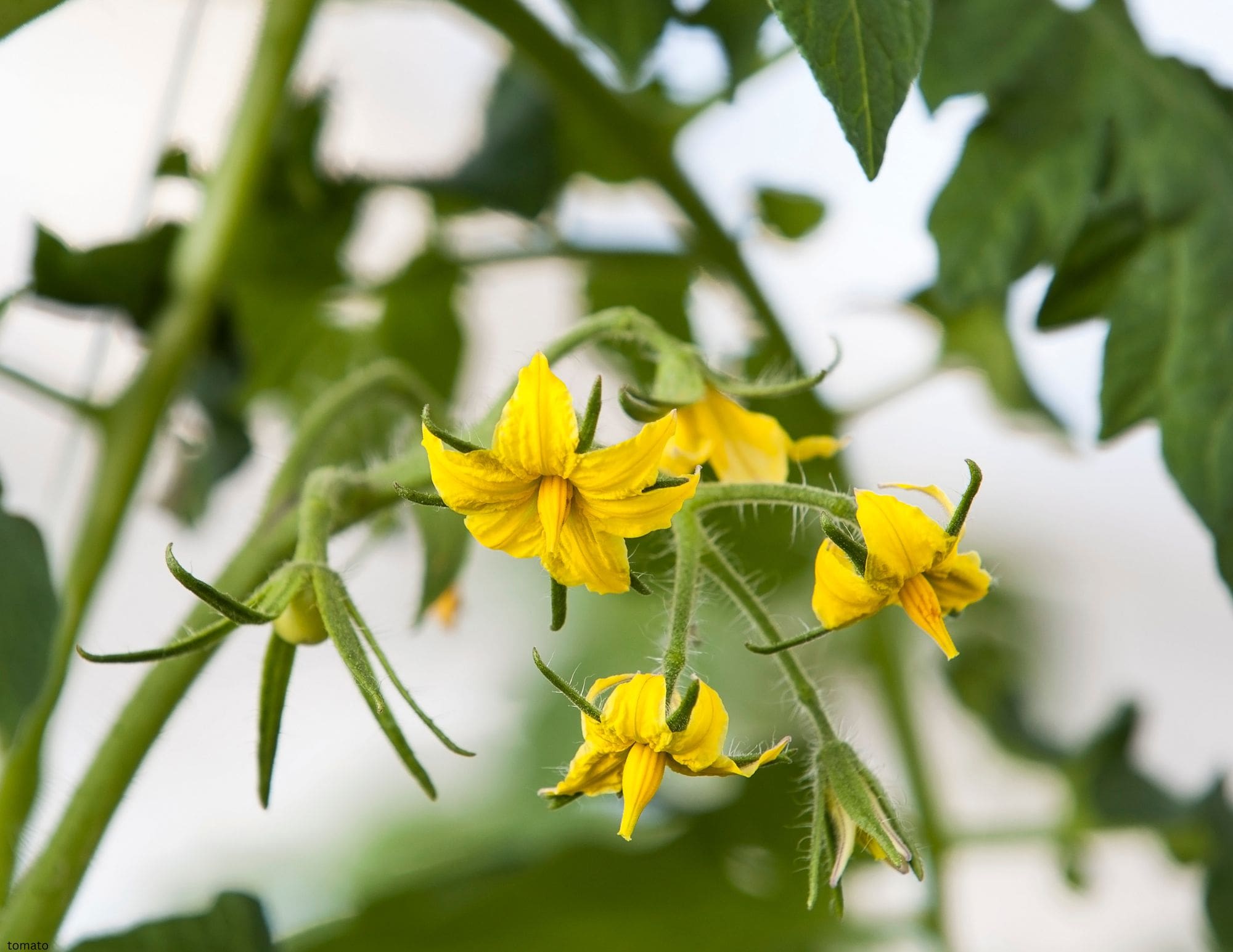
If your tomato plants are full of bright yellow flowers but you still don’t see many tomatoes, don’t panic, you’re not alone. This is one of the most common questions gardeners ask during the middle of summer. The good news is that flowers are actually a sign your plants are healthy and trying to produce fruit. Several environmental factors can temporarily prevent those flowers from developing into tomatoes, and most are easy to correct.
Heat Can Prevent Tomatoes from Setting Fruit
Tomatoes thrive in warm weather, but extreme heat can actually slow fruit production. When daytime temperatures climb above about 90°F or nighttime temperatures remain above 70–75°F, tomato plants often experience what’s called blossom drop. Instead of developing into fruit, the flowers simply dry up and fall off. This is the plant’s natural way of conserving energy during stressful weather. Once temperatures become more moderate, your plants will usually begin setting fruit again without any intervention.
Pollination Matters More Than You Think
Tomato flowers are self-pollinating, meaning each flower contains both male and female parts. However, they still need movement to release pollen. Normally, wind and visiting bees provide enough vibration for successful pollination. During long stretches of hot, humid, or rainy weather, pollination can become less effective. If your plants have plenty of flowers but very little fruit, gently shaking the flower clusters every few days can help distribute pollen. Planting flowers nearby to attract pollinators can also improve fruit production throughout the season.
Water Consistently
Tomatoes perform best with consistent soil moisture. Alternating between very dry soil and heavy watering can stress the plant and reduce fruit production. Inconsistent watering may also lead to problems later in the season, including cracked tomatoes and blossom end rot. As a general guideline, tomato plants need about 1 to 2 inches of water per week, although container-grown plants and gardens during hot weather often require more frequent watering. A layer of mulch around the base of your plants helps retain moisture, keeps roots cooler during hot weather, and reduces weed competition.
Don’t Overdo the Fertilizer
A lush, green tomato plant isn’t always the healthiest producer. Fertilizers high in nitrogen encourage vigorous leaf growth, sometimes at the expense of flowers and fruit. If your plants are tall, leafy, and dark green but producing very few tomatoes, they may be receiving too much nitrogen. Once flowering begins, switch to a fertilizer formulated for vegetables or tomatoes that provides balanced nutrition while supporting flowering and fruit development.
Be Patient
Many gardeners expect tomatoes to begin forming immediately after flowering, but fruit development takes time. After successful pollination, small green tomatoes often appear within a week or two. Larger slicing tomatoes may take another month or more to fully ripen, especially during periods of cooler weather. Patience is often the hardest—but most important—part of growing great tomatoes.
What You Can Do Right Now
If your tomato plants have flowers but no fruit yet, here are a few simple steps to encourage production:
- Water deeply and consistently.
- Add mulch to help maintain even soil moisture.
- Avoid high-nitrogen fertilizers.
- Gently shake flower clusters to improve pollination.
- Watch for blossoms dropping during periods of extreme heat.
- Continue harvesting ripe tomatoes regularly once production begins.
We’re Here to Help
Every growing season is a little different, and weather plays a big role in how tomatoes perform. If your plants aren’t producing the way you’d hoped, stop by Pahl’s Market. Our team can help diagnose the problem, recommend the right fertilizer or plant care products, and answer your gardening questions. With a little patience and proper care, those blossoms should soon become baskets of delicious homegrown tomatoes.
References
- University of Minnesota Extension. Growing Tomatoes in Home Gardens. Provides guidance on tomato culture, watering, fertilization, and common production issues.
- Iowa State University Extension and Outreach. Why Are My Tomatoes Not Setting Fruit? Explains blossom drop, pollination, and the effects of high temperatures on fruit set.
- Clemson Cooperative Extension. Tomato Growing Guide. Covers pollination, watering practices, fertilization, and environmental stress.
- Cornell Cooperative Extension. Growing Tomatoes in the Home Garden. Information on tomato care, flowering, fruit development, and common problems.
- National Gardening Association. Home gardening resources for tomato culture and troubleshooting.

0 Comments