










🎃 From the Field: The Squash Family Signals Fall
Now that the State Fair has ended, kids are back in school, and the days are getting noticeably shorter, it is starting to feel like fall in Minnesota. The fields are beginning to make that transition too. This week’s buttercup squash is one of the first signs of the hearty fall crops that will become more prominent as we move through September.
Squash and pumpkins have an interesting history. They are members of the Cucurbitaceae, or gourd family, along with cucumbers, melons, and zucchini. Squash is native to the Americas and has been cultivated for thousands of years. In fact, archaeological evidence suggests that some squash were domesticated even before corn and beans, making them among the oldest cultivated crops in the Americas.
Even more surprising, the words “pumpkin” and “squash” don’t describe completely separate groups of plants. According to the University of Minnesota Extension, winter squash and pumpkins are primarily found within three species of Cucurbita. One of those, Cucurbita pepo, includes pumpkins along with zucchini, acorn squash, delicata, pattypan, and other summer squash. Buttercup belongs to another species, Cucurbita maxima, along with kabocha, Hubbard squash, and even some pumpkins.
The difference between summer squash and winter squash isn’t necessarily when they’re grown, either. Both are warm-season crops. Zucchini and yellow squash are harvested young, while their skins and seeds are still tender. Winter squash and pumpkins are allowed to fully mature on the vine, developing hard rinds that help them store for months under the right conditions. That’s how they earned the name “winter squash”: historically, they could be stored and eaten well into the winter.
That long storage life made squash an incredibly valuable food for generations before modern refrigeration. Native peoples grew squash alongside corn and beans, a combination commonly known as the Three Sisters, with each crop contributing something different to both the garden and the diet.
So when you pull the buttercup squash from your box this week, you’re getting more than one of the first tastes of fall. You’re also getting a member of an incredibly diverse plant family with a history stretching back thousands of years.
After a summer filled with zucchini, cucumbers, melons, and other warm-weather favorites, it’s only fitting that one of their relatives helps usher us into the next season.
What’s in the Box? 🌽🍎
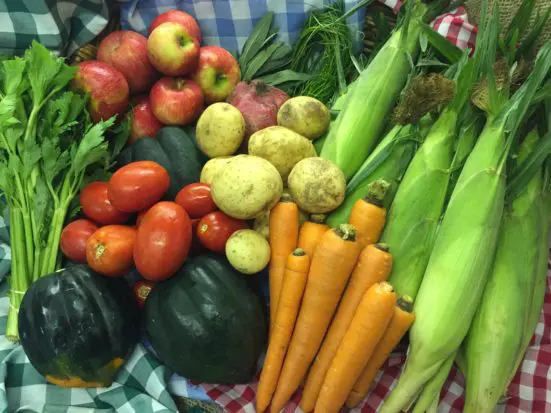
This week’s share is starting to look a little more like fall! We’re still enjoying summer favorites like sweet corn and peppers, while buttercup squash, leeks, celery, and apples bring some of those hearty early-fall flavors into the mix.
Here’s what’s inside:
- 🌽 Sweet Corn
- 🎃 Buttercup Squash
- 🌿 Celery
- 🫑 Colored Peppers
- 🌿 Leeks
- 🌶️ Jalapeños
- 🍎 Apples
Here are a few simple ways to enjoy this week’s harvest:
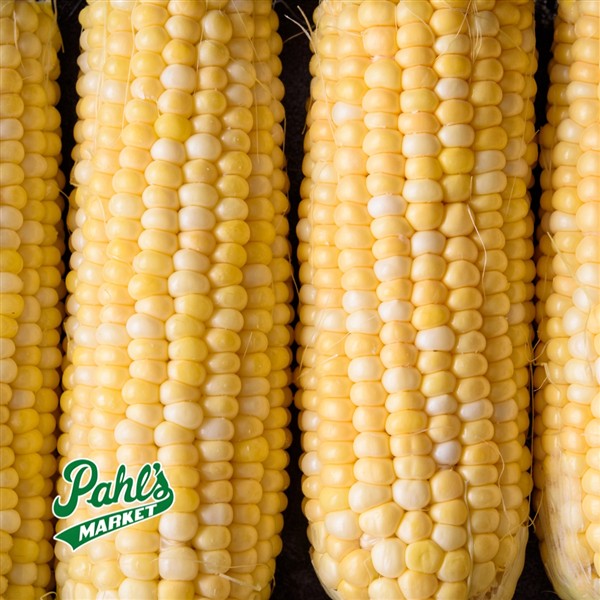
🌽 Sweet Corn: Enjoy those fresh ears while they’re here! Boil, grill, or roast them, or cut the kernels from the cob to add to soups, salads, and skillet meals. Keep your corn refrigerated for the best flavor.
🎃 Buttercup Squash: Don’t let the tough exterior intimidate you. Buttercup squash has sweet, rich flesh that’s wonderful roasted. Cut it in half, scoop out the seeds, and roast until tender. Butter and brown sugar are a classic combination, but it’s equally good with savory herbs and seasonings.
🌿 Celery: Great for much more than snacking! Celery adds flavor and crunch to soups, stews, salads, stuffing, and stir-fries. Store it refrigerated, and if it starts to lose its crispness, placing the stalks in ice water can help perk them back up.
🫑 Colored Peppers: As peppers mature and change color, they generally become sweeter than their green counterparts. Enjoy them raw, roast or grill them, or combine them with this week’s leeks and sweet corn for an easy vegetable sauté.
🌿 Leeks: Leeks offer a mild, slightly sweet onion flavor that’s perfect for cooler-weather cooking. Use them in soups, potato dishes, eggs, or simply sauté them in butter. Be sure to rinse between the layers well, as soil can hide inside.
🌶️ Jalapeños: Add them to salsa, tacos, chili, eggs, or just about anything that could use a little heat. For a milder flavor, remove the pale inner ribs before cooking.
🍎 Apples: A welcome taste of fall! Enjoy them fresh, slice them into salads, pair them with cheese, or turn them into a crisp or applesauce. Keep apples refrigerated if you’d like them to stay crisp longer.
This week’s box is a perfect example of the seasonal transition happening in the fields. Summer isn’t finished quite yet, but fall is definitely beginning to make its way into the harvest.

0 Comments