










🐝From the Field: The Unsung Heroes of the Harvest 🐝
If you’ve been with our CSA for a few seasons, you may remember us talking about pollinators before. It’s a topic we revisit from time to time because it’s one of the most important parts of growing healthy, productive crops. Without pollinators, many of the fruits and vegetables we all enjoy simply wouldn’t exist.
Not every crop relies on pollinators in the same way. Cucumbers and yellow squash depend heavily on bees and other pollinating insects to transfer pollen from flower to flower. Without enough pollinator activity, plants may produce fewer fruits, or the fruits that do develop may be small or misshapen.
Tomatoes have a different strategy. Each flower contains both male and female parts, allowing tomatoes to pollinate themselves. However, they still benefit from movement. In nature, wind and the buzzing of bumble bees help shake pollen loose inside the flower, improving pollination and often resulting in better fruit set.
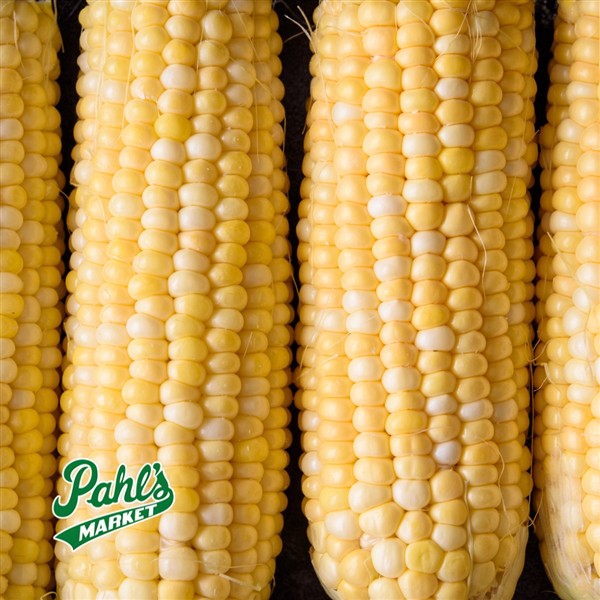
Sweet corn is different still. Unlike cucumbers and squash, corn doesn’t rely on bees or other insects for pollination. Instead, it’s pollinated by the wind. As the tassels release millions of tiny pollen grains, the breeze carries them to neighboring plants, allowing each ear to develop. Having many plants close together greatly improves pollination and helps produce full, well-filled ears.
Whether it’s bees visiting blossoms or a summer breeze carrying corn pollen through the field, every successful harvest depends on nature working together.
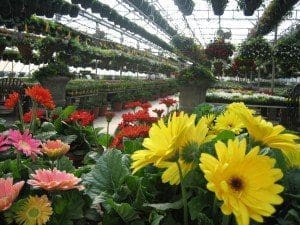
One of the easiest ways we can all support pollinators is by planting pollinator-friendly flowers and perennials in our own landscapes. Native plants, coneflowers, black-eyed Susans, salvias, milkweed, asters, and many other flowering perennials provide valuable nectar and pollen throughout the growing season. Even a small garden can become an important stop for bees, butterflies, and other beneficial insects.
Every flower you plant helps create habitat for the pollinators that make so much of our food possible. It’s a simple way to support local ecosystems while helping ensure healthy harvests for years to come. Thank you for doing your part to keep Minnesota buzzing!
What’s in the Box? 🥦🍅
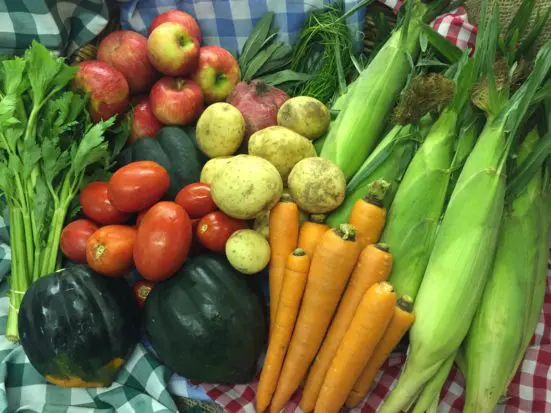
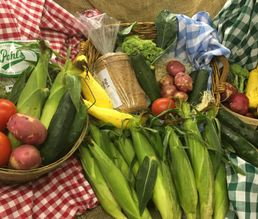
The harvest continues to evolve, and this week’s CSA share is a great reminder of just how quickly the season can change. Summer favorites like vine-ripened tomatoes, crisp peppers, and green beans are joining longtime staples like cucumbers and yellow squash, while fresh broccoli and bok choy add even more variety to your table. With plenty of options for fresh sides, simple dinners, and a little preserving, this week’s share offers lots of ways to enjoy the harvest.
Here’s what’s inside:
- 🧅 Green Top Onions
- 🍅 Roma Tomatoes
- 🫑 Green Peppers
- 🥬 Bok Choy
- 🥦 Broccoli
- 🫛 Green Beans
- 🥒 Cucumbers
- 💛 Yellow Squash
Need a few ideas to get started? Here are some of our favorite ways to enjoy this week’s harvest:
🧅 Green Top Onions: More than just a garnish, green top onions add a mild onion flavor to salads, tacos, eggs, stir-fries, and grilled vegetables. Both the white bulbs and green tops are edible, so don’t let any part go to waste. Store them in the refrigerator and use within a week for the best flavor.
🍅 Roma Tomatoes: Roma tomatoes are prized for their firm texture, rich flavor, and fewer seeds, making them ideal for fresh salsa, pasta sauces, roasting, or slicing onto sandwiches. For the best flavor, keep tomatoes at room temperature until they’re fully ripe. Once ripe, refrigerate them if needed to extend their freshness for a few days.
🫑 Green Peppers: Crisp and versatile, green peppers are perfect for fresh snacking, salads, fajitas, stir-fries, or grilling alongside your favorite meats. Their slightly tangy flavor mellows and sweetens when cooked, making them a great addition to countless summer meals.
🥬 Bok Choy: This crisp, tender member of the cabbage family is delicious sautéed with garlic and ginger, added to stir-fries, grilled, or chopped into soups. Both the stems and leaves are edible, offering a mild flavor and satisfying crunch.
🥦 Broccoli: Fresh broccoli is delicious both raw and cooked. Enjoy it with your favorite veggie dip, lightly steamed, roasted until the edges are caramelized, or added to stir-fries and casseroles. Store it in the refrigerator and use within a few days for the best flavor and texture.
🫛 Green Beans: Fresh-picked green beans are hard to beat. Steam, sauté, roast, or blanch them for a simple side dish, or toss them into salads and casseroles. Store them unwashed in the refrigerator and enjoy them within a few days for the best texture and flavor.
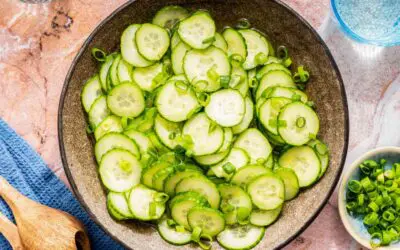
🥒 Cucumbers: Cool and refreshing, cucumbers are a summertime staple. Slice them into salads, enjoy them with your favorite dip, or turn them into quick refrigerator pickles. Keep them refrigerated and wash just before using.
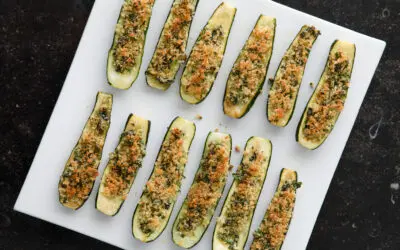
💛 Yellow Squash: Tender yellow squash is one of summer’s most versatile vegetables. Grill it, roast it, sauté it, or add it to pasta dishes, kebabs, and stir-fries. If you find yourself with extra, it also freezes well for soups, casseroles, and baked dishes later in the year.
One of the joys of a CSA is watching the season unfold one harvest at a time. As new crops come into production and others begin to wind down, each week’s box offers a fresh snapshot of what’s happening in the fields. We hope you enjoy exploring the variety that Minnesota summers have to offer.
0 Comments