




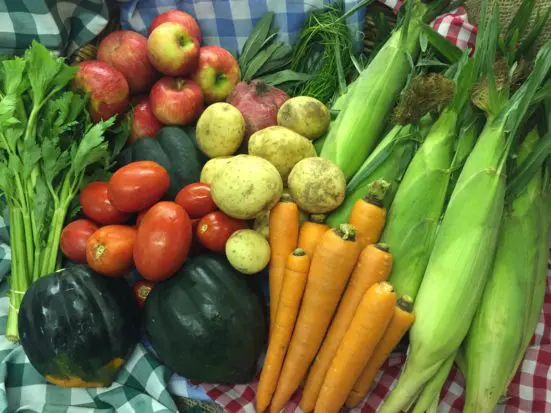
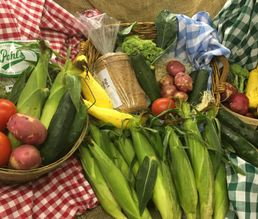

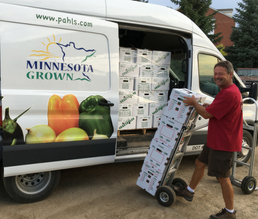







Greetings, CSA community! As we move forward into Week 10 of our CSA program, let's kick off this week's adventure by reveling in the bounty of nature's wholesome goodness. Remember those first crisp radishes from Week 1? Well, they're back! The zesty, peppery bite of...
volume1023
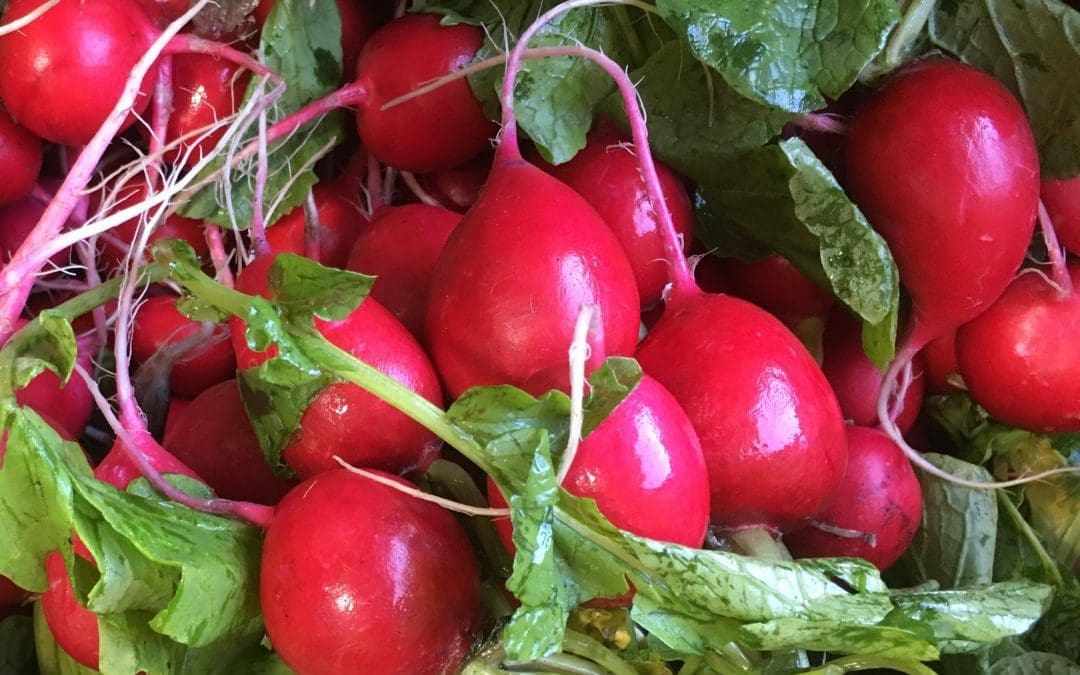
Radishes
A welcome addition to our salads of early spring greens, radishes offer us a splash of color and zest. Although the radish root is 94 percent water and of modest nutritional value, it does provide a small amount of minerals such as potassium, phosphorus, magnesium,...
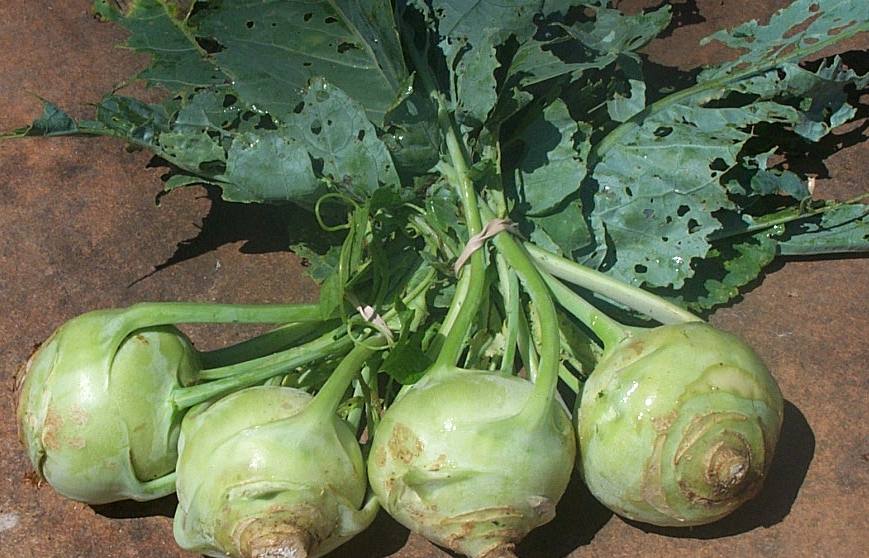
Kohlrabi
Kohlrabi is a close relative of broccoli; it resembles a root vegetable but actually the edible globe is the modified swollen stem. The edible leaves jut from the globe portion of the kohlrabi. It offers generous amounts of vitamins A and C and emphasizes the...
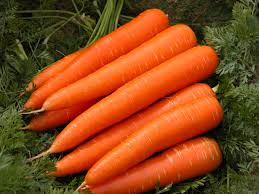
Carrots
High in vitamin A and beta carotene, which is the substance responsible for its beautiful orange color, carrots are a favorite raw snack for many children and adults. The carrot is also high in fiber, calcium, potassium, and other trace minerals. To receive the most...
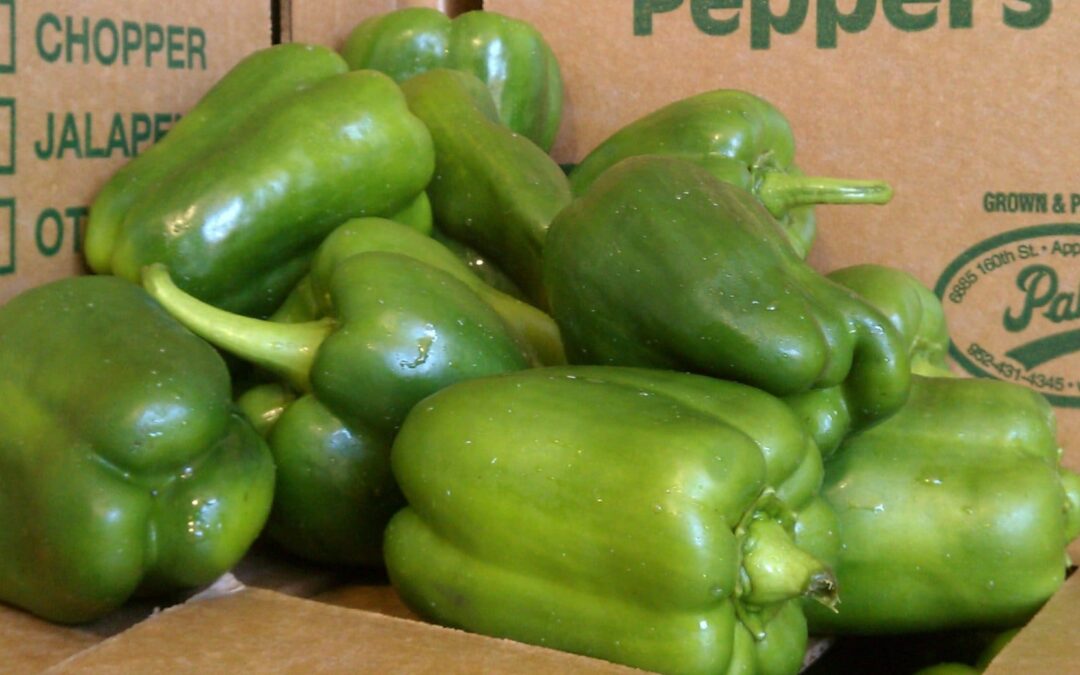
Green Bell Peppers
Peppers contain high levels of vitamins A, C, and E and most varieties include the minerals iron and potassium. Refrigerate unwashed in a refrigerator hydrator drawer for 1-2 weeks. Eating them raw, added to a veggie tray, sliced in a salad, or as part of a...
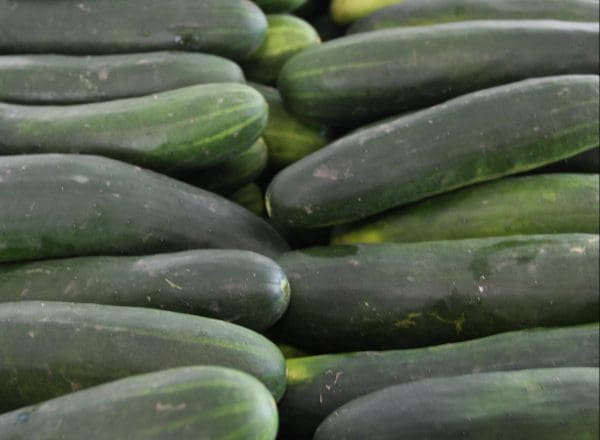
Cucumbers
Since cucumbers are 95 percent water, they help us replenish the fluids and minerals we lose on those sizzling hot July days. While containing small amounts of vitamins A, C, and a few minerals, they are rich in vitamin E. In addition to using as a snack, either...
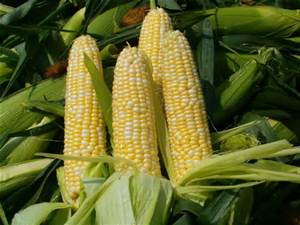
Sweet Corn
An ancient staple food of the Americas, corn is often referred to as maize. When combined with most beans or dairy, corn will provide a complete protein. This is shown by the many traditional native dishes. Similar to other whole grains, corn is a great source of...