


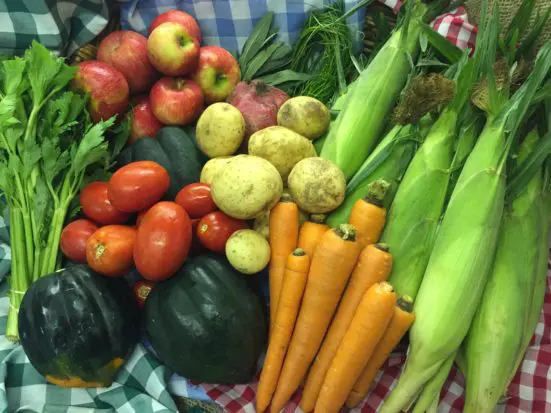
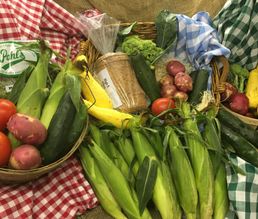
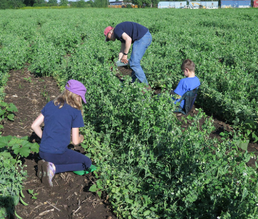







🌱 From the Field: What Happens After the Harvest? Throughout the CSA season, we spend a lot of time talking about planting, growing, and harvesting vegetables. But what happens to a field once the final crop has been picked? Harvesting is really just the end...
volume1326

Zestar! Apples
This early season Minnesota hearty apple, developed by the horticulturalists at the Minnesota Landscape Arboretum's Horticultural Resource Center at the University of Minnesota, was released in 1999. The apple tastes sweet and tangy, with accents of brown sugar, and...

Kale
The oldest member of the cabbage family, kale is among the earliest cultivated and was a favorite vegetable in ancient Rome. It is a powerhouse vegetable, very rich in vitamins A, C, and the mineral calcium. It is also high in the B vitamins. Kale is the highest in...

Spaghetti Squash
This variety of winter squash is large, oval and yellow, and looks similar to a melon. It is unique among squash because when cooked, its yellowish flesh separates into long strands that resemble pasta. Spaghetti squash provides vitamins A and C and some of the B...

Jalapeno Peppers
The active component in jalapenos and other hot peppers is capsaicin, which gives them their strong spicy pungent character. Tolerance levels in individuals can vary widely---use them in moderation at first. Eating cold yogurt or drinking milk will help dilute the...
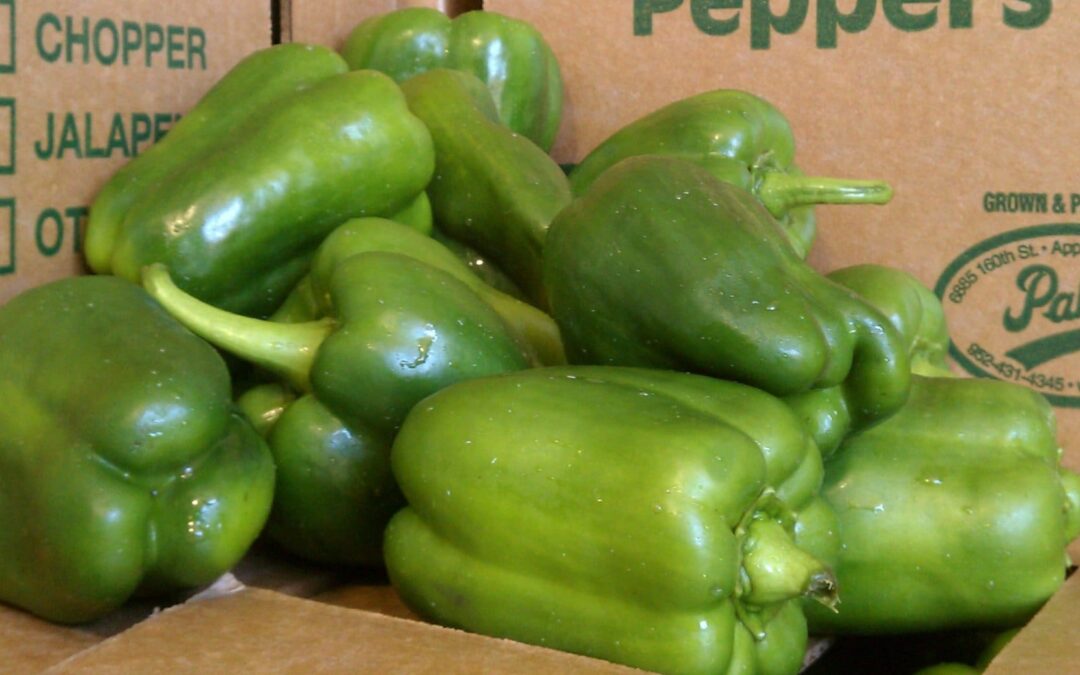
Green Bell Peppers
Peppers contain high levels of vitamins A, C, and E and most varieties include the minerals iron and potassium. Refrigerate unwashed in a refrigerator hydrator drawer for 1-2 weeks. Eating them raw, added to a veggie tray, sliced in a salad, or as part of a...
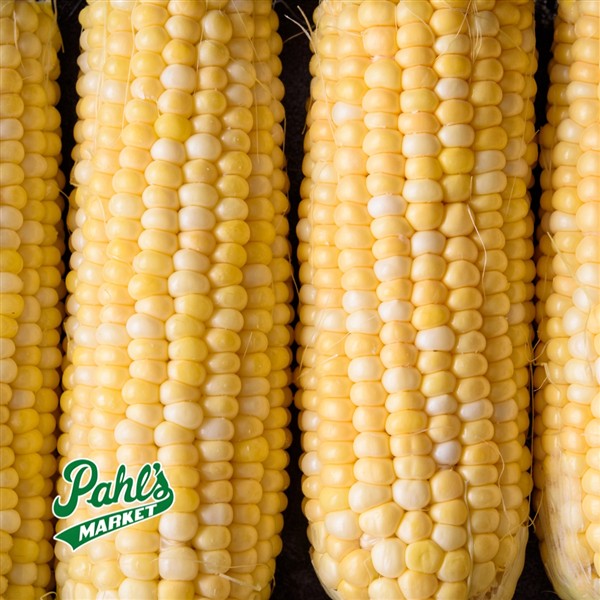
Sweet Corn
An ancient staple food of the Americas, corn is often referred to as maize. When combined with most beans or dairy, corn will provide a complete protein. This is shown by the many traditional native dishes. Similar to other whole grains, corn is a great source of...